
Waitangi Rua Rautau Lectures
-
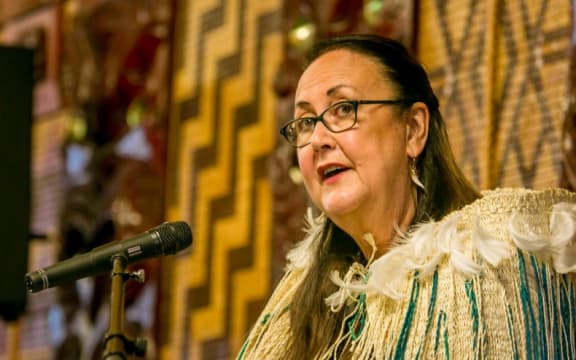
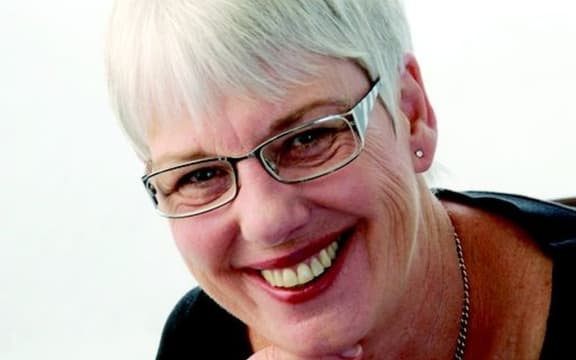
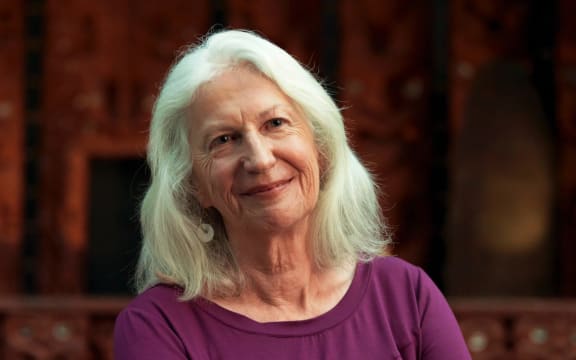
2018 Waitangi Rua Rautau Lecture by June Northcroft Grant
13 Feb 2018In this second talk for 2018, June Northcroft Grant traces the story of two of the notable personalities associated with guiding at Whakarewarewa Village (where the lecture is being given) in the 19th… Read more Audio
-
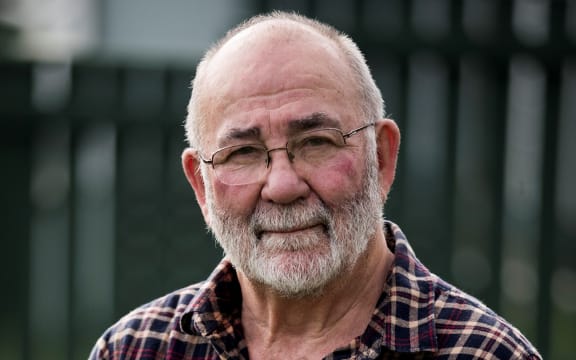
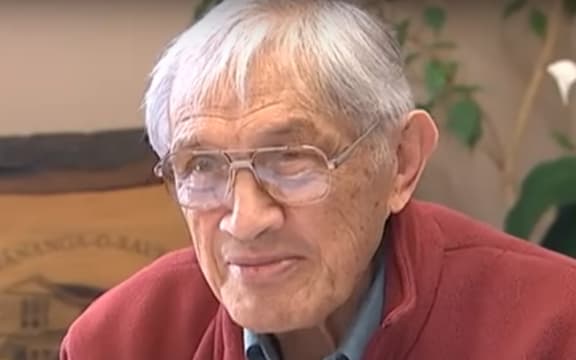
2018 Waitangi Rua Rautau Lecture by Dr Kim Workman
Dr Kim Workman explores the historical background to why Maori imprisonment rates are high and still rising, and considers what the alternatives to our current approaches are. Read more Audio
-
Waitangi Rua Rautau Lectures 2017
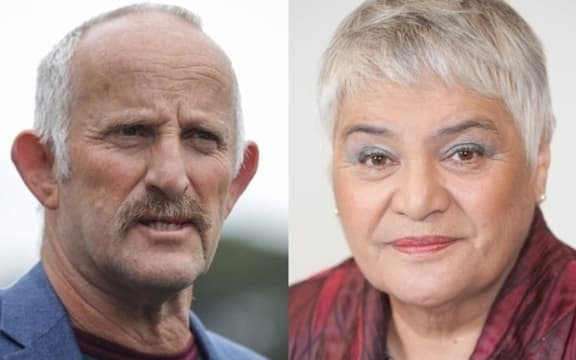
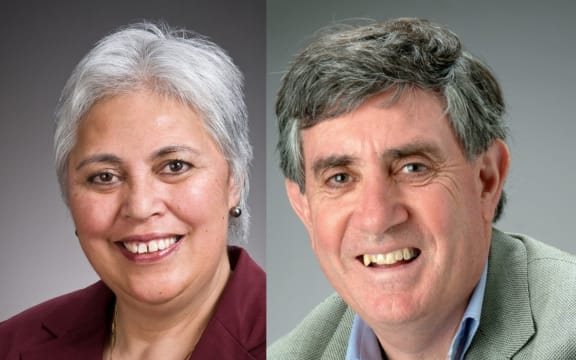
The Honourable Dame Tariana Turia, former Cabinet Minister and founder of the Maori Party, and Dr Gareth Morgan, economist and founder of the Opportunities Party, present the 2017 Waitangi Rua Rautau… Read more Audio
-
Waitangi Rua Rautau Lectures 2017
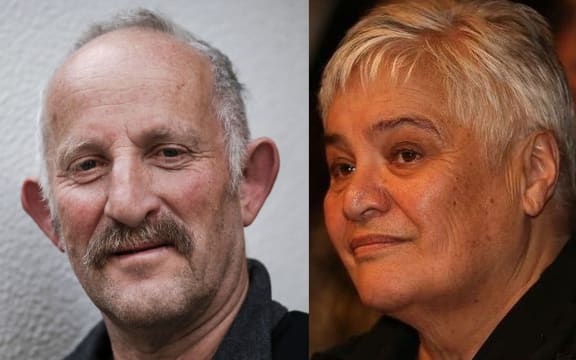
6 Feb 2017The 2017 Waitangi Rua Rautau lecturers delivered by the former Cabinet Minister and founder of the Maori Party Dame Tariana Turia and Dr Gareth Morgan, economist and Founder of the Opportunities… Read more Audio
-
Waitangi Rua Rautau Lecture 2016
At Te Herenga Waka Marae, Kelburn Campus Victoria University of Wellington Read more
Coming up
-
Waitangi Rua Rautau Lecture 2016
6 Feb 2016The Hon. Mrs Steve Chadwick, Mayor of Rotorua presents the 13th annual Waitangi Rua Rautau lecture. Audio
-
Waitangi Rua Rautau Lecture 2015
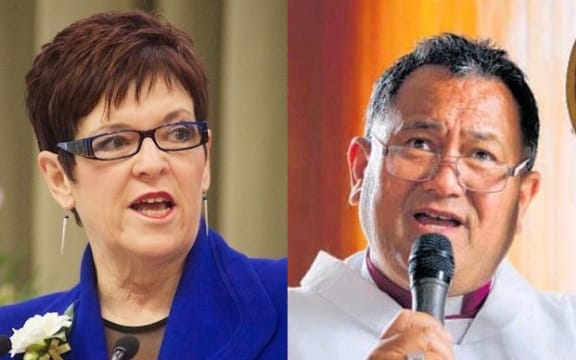
6 Feb 2015Rt Hon Dame Jenny Shipley and Bishop Te Kitohi Pikaahu provide political and religious perspectives on the different responses of the Government and the Anglican Church to the Treaty of Waitangi, with… Read more Audio
-
2014 - Hon. Dr Wayne Mapp
6 Feb 2014The Waitangi Rua Rautau lecture 2014 delivered by Law commissioner and former Cabinet Minister, the Hon. Dr Wayne Mapp. He's introduced by another former MP, Luamanuvao Winnie Laban. Dr. Mapp review… Read more Audio
-
2014 - Areta Koopu
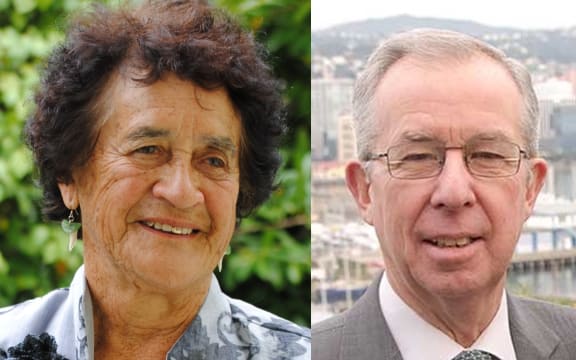
6 Feb 2014The Waitangi Rua Rautau Lecture 2014: presented by former Maori Women's Welfare League President, and former Human Rights Commissioner, Areta Koopu. She talks about her life, the role of women and the… Read more Audio
-
2013 - Ian McKinnon and Dame Iritana Tawhiwhirangi
6 Feb 2013Ian McKinnon explores the role of education in creating a society comfortable with cross-cultural difference; and Dame Iritana Tawhiwhirangi provides a personal survey of the evolution of the Maori… Read more Audio
-
2012 - Sir Paul Callaghan and Hon. Luamanuvao Winnie Laban
In the 2012 instalment of the annual Waitangi Rua Rautau Lecture series, Professor Sir Paul Callaghan and Associate Professor Hon. Luamanuvao Winnie Laban explore Pakeha and Samoan perspectives about… Read more Audio
-
2011 - Sir Douglas Kidd
6 Feb 2011In this most recent instalment in the annual Waitangi Rua Rautau Lecture series, Sir Douglas Kidd explores the change in the way the legal profession has viewed the Treaty of Waitangi, and proposes a… Read more Audio
-
2010 - Dr Ihakara Puketapu
6 Feb 2010Dr Ihakara Puketapu explores in a very informal session different perspectives on Maori self-determination, focusing on his Waiwhetu Marae in Lower Hutt. Along with the discussion of big ideas such as… Read more Audio
-
2009 - Dr Alan Ward
6 Feb 2009The lecture is subtitled "a social democrat's perspective on the Treaty of Waitangi", and Dr Ward argues that identifying and redressing the historical, political and economic causes of Maori… Read more Audio
-
2008 - Prof. Dame Ann Salmond
7 Feb 2008Prof. Dame Ann Salmond traces over two hundred years of New Zealand history, including early contact between Maori and European, and the story of the Treaty of Waitangi. She goes on to survey the Land… Read more Audio
-
"Seek ye from the Fountain of Knowledge, so the People may Thrive and Prosper"
6 Feb 2006Sir Howard Morrison draws on the whakatauki of Ngati Tarawhai and Ngati Whakaue orator, linguist, soldier and historian Kepa Ehau as he presents the fourth lecture in the series aimed at monitoring… Read more
Coming up
-
2006 - Sir Howard Morrison
6 Feb 2006Sir Howard Morrison presents the 2006 Waitangi Rua Rautau lecture. Audio
-
2005 - Professor Whatarangi Winiata
14 Feb 2005The venue for the 2005 lecture is the historic Rangiatea Church in Otaki. The lecturer is Professor Whatarangi Winiata, the tumuaki or Chief Executive of the Māori tertiary institution Te Wānanga o… Read more Audio
-
2005 - Professor Whatarangi Winiata
14 Feb 2005The venue for the 2005 lecture is the historic Rangiatea Church in Otaki. The lecturer is Professor Whatarangi Winiata, the tumuaki or Chief Executive of the Māori tertiary institution Te Wānanga o… Read more Audio
-
2004 - Dr Dame Joan Metge
14 Feb 2004In 2004 retired anthropologist Dr Dame Joan Metge, gives an address entitled 'Rope Works - He Taura Whiri'. Using the metaphor of the taura whiri, or plaited rope, Dame Joan argues that a collective… Read more Audio