
Navigation for Station navigation
Featured stories
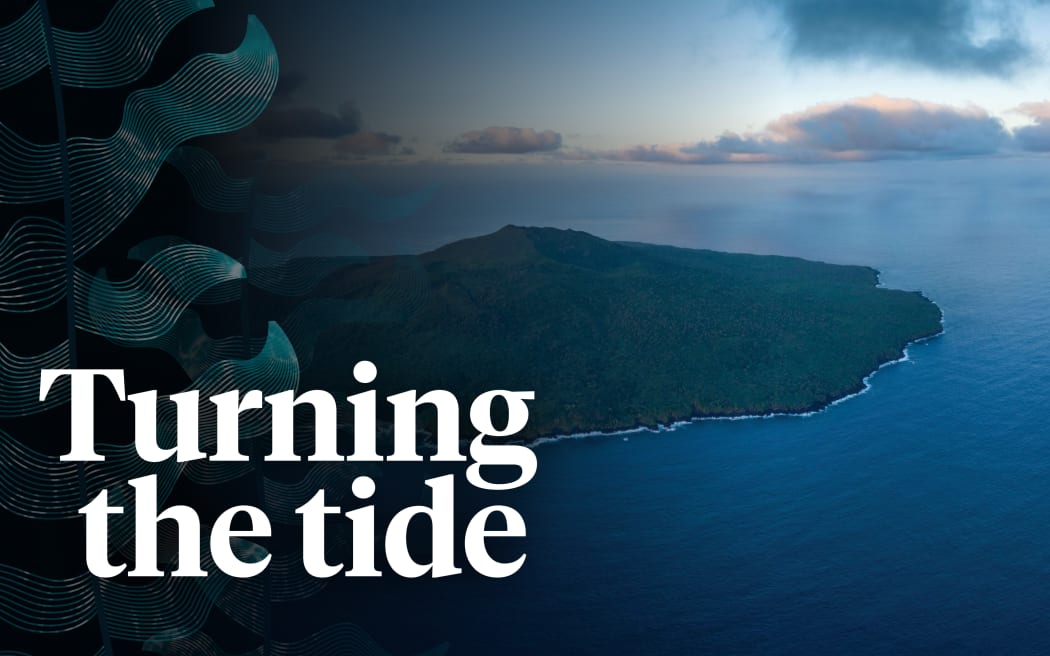
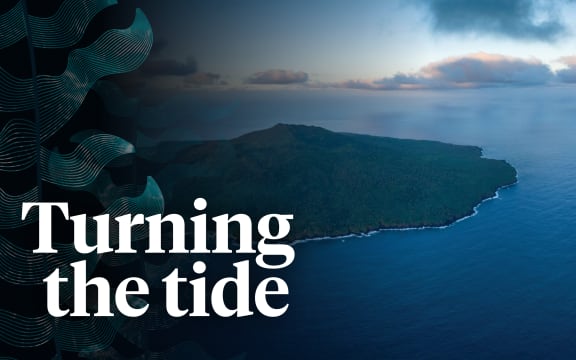
Turning the tide – what it takes to take out rats
Kate Evans visits a passionate team as they carpet a remote volcanic island in Tonga with poisoned bait, hoping to eradicate rats. What does it take to complete this kind of project, what are the chances of success, and what will it mean for the island’s ecosystems if they manage to remove the rats once and for all?
…-
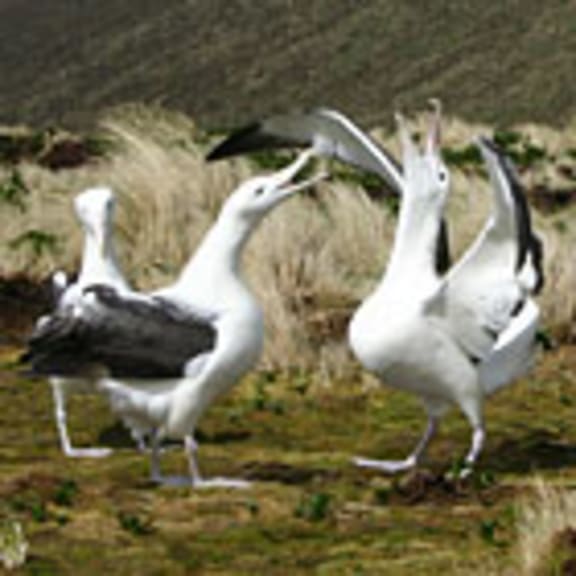
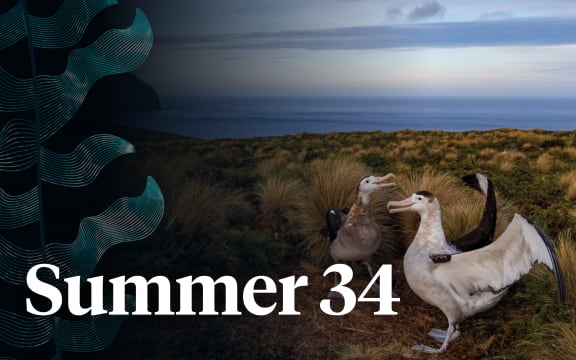
Summer 34 – Three decades of albatross research
18 Apr 2024Journalist Rebekah White meets two people who have been counting albatrosses on remote islands in the subantarctic for more than three decades. Their research… Video, Audio
-
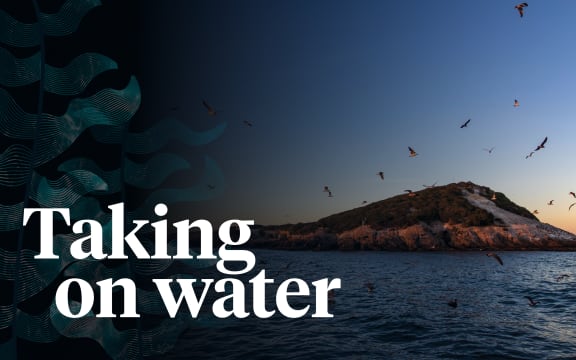
Taking on water - marine protection in Aotearoa
11 Apr 2024New Zealand once led the world in marine protection. Now it looks like we will fail to meet our international promise to protect 30 percent of our ocean estate… Audio
-
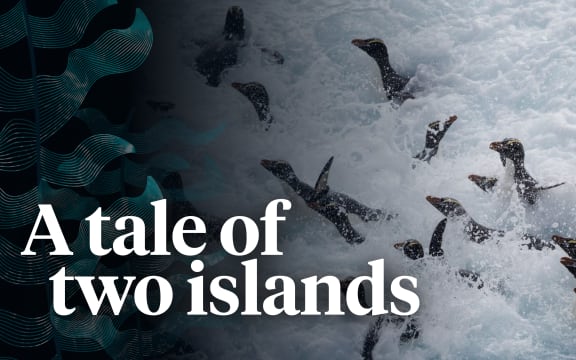
A tale of two islands – erect-crested penguins
4 Apr 2024The Bounty Islands are tiny in terms of area – just some bits of granite jutting out of the ocean. But they are huge in terms of seabirds. James Frankham joins… Audio
-
Turning the tide – what it takes to take out rats
Kate Evans visits a passionate team as they carpet a remote volcanic island in Tonga with poisoned bait, hoping to eradicate rats. What does it take to complete this kind of project, what are the… Read more Audio
-
Summer 34 – Three decades of albatross research
18 Apr 2024Journalist Rebekah White meets two people who have been counting albatrosses on remote islands in the subantarctic for more than three decades. Their research shows that at least one species is en… Read more Video, Audio
-
Taking on water - marine protection in Aotearoa
11 Apr 2024New Zealand once led the world in marine protection. Now it looks like we will fail to meet our international promise to protect 30 percent of our ocean estate by 2030. Why is stopping fishing so… Read more Audio
-
A tale of two islands – erect-crested penguins
4 Apr 2024The Bounty Islands are tiny in terms of area – just some bits of granite jutting out of the ocean. But they are huge in terms of seabirds. James Frankham joins a team researching the erect-crested… Read more Audio
-
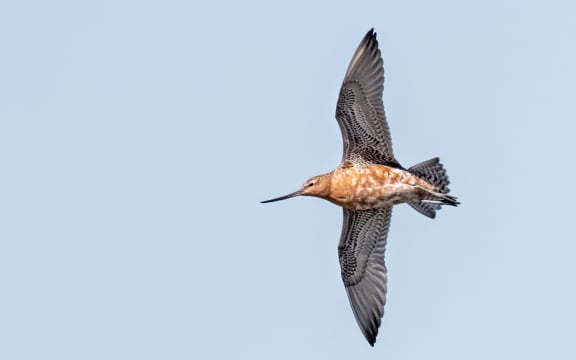
The mystery of how godwits sleep in flight
Kuaka bar-tailed godwits make the longest non-stop flights, and researchers are using hi-tech tags to solve the mystery of how and when they sleep. Read more Audio
-
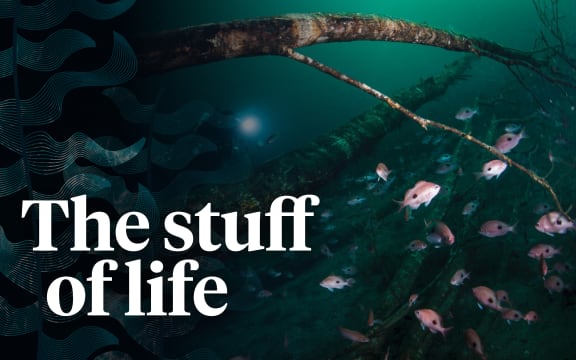
The stuff of life - Carbon capture in our ocean ecosystems
21 Mar 2024What roles do our ocean ecosystems play in capturing carbon? Kate Evans speaks to iwi Māori working to improve the health of an estuary in the Bay of Plenty, and to scientists studying the fiords of… Read more Audio
-
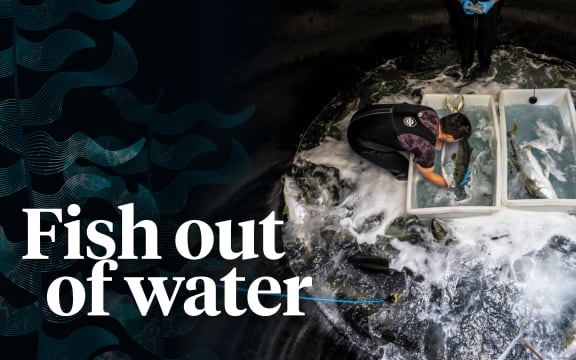
Fish out of water - How to grow fish on land
14 Mar 2024People and livestock gobble so much fish that the seas soon won’t keep up. Is the answer to grow fish on land? Kate Evans meets scientists figuring out the puzzles of how to farm some of New Zealand’s… Read more Audio
-
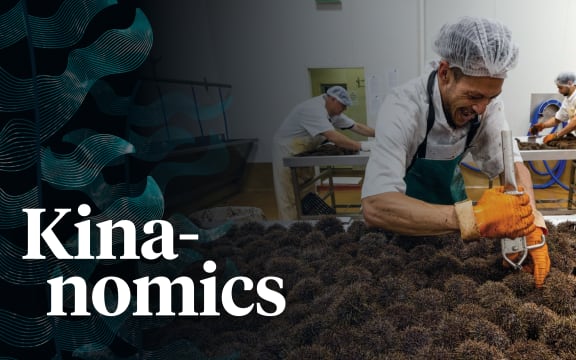
Kina-nomics - The kina are taking over, what can we do?
7 Mar 2024Kina numbers are exploding on some of our reefs, decimating seaweed habitats. Could this problem be solved by eating them? Kate Evans investigates the potential of kina-nomics. Read more Audio
-
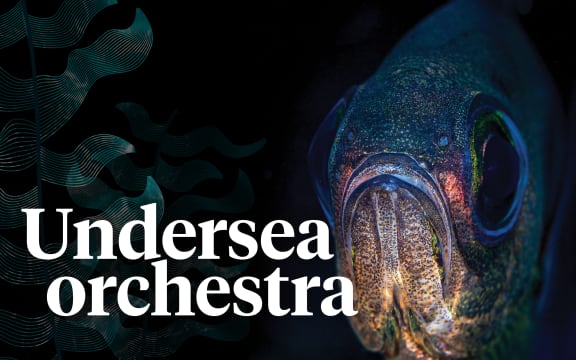
The undersea orchestra - Ocean sounds and what they tell us
29 Feb 2024Crackle, pop, woof, crunch, click. In the ocean, an undersea orchestra is in full swing. Journalist Kate Evans discovers who’s playing in it and why, and what happens when human noise drowns out this… Read more Audio
-
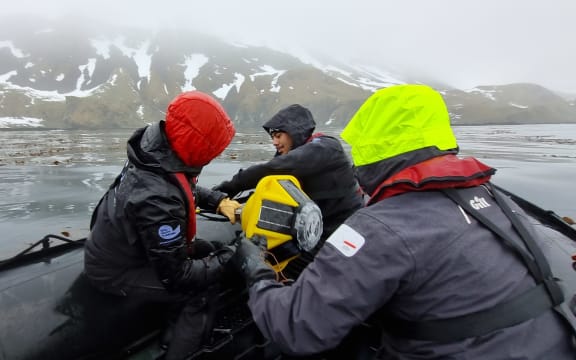
Watching the weather in the far southern seas
22 Feb 2024A group of young New Zealanders and two meteorologists travel to South Georgia Island in the southern Atlantic Ocean to collect weather observations – continuing the scientific legacy of early… Read more Audio
-
New Zealand’s Antipodes Islands – remote, wild, and special
15 Feb 2024An ambitious project to rid the remote Antipodes Island of introduced mice proved successful in 2018. Claire Concannon visits the spectacular subantarctic island to meet the locals – from penguins to… Read more Audio
-
The fate of the West Antarctic ice sheet in a warming world
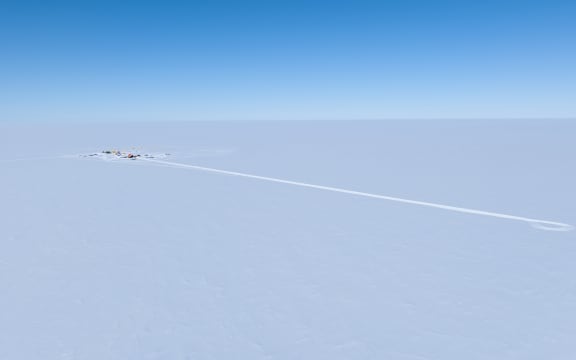
How fast – and how completely – could Antarctica's smaller western ice sheet melt in a warming world? An international science team, led by Aotearoa New Zealand, set out to investigate whether two… Read more Audio
Our Changing World
Stay Informed
Sign up to receive a regular newsletter from Our Changing World
The microscope image featured in the logo is of the mineral labradorite, taken by Peregrin Hyde – www.perescope.co.nz.
Thursdays 7:30pm, repeated 1:15am Sundays. One feature plays 3:35pm Wednesdays.
Follow this podcast.
 Apple Podcasts
  Spotify
  Google Podcasts
  iHeart Radio
  RadioPublic
 Direct XML Feeds
The link below can be pasted into your podcasting software.
Presenter